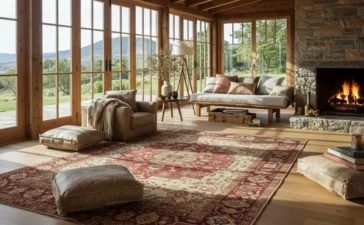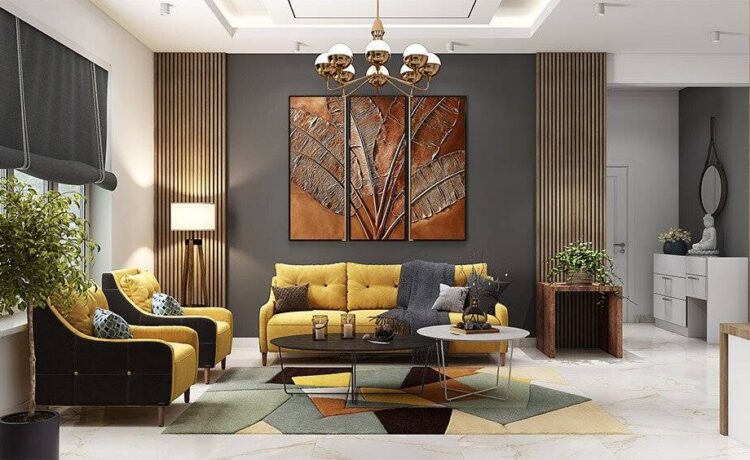
Introduction: Beyond Aesthetics, Into Atmosphere
Interior design is more than the strategic placement of furniture or the coordination of colors—it is the orchestration of space to improve daily living, evoke emotion, and reflect identity. A well-designed interior creates a sense of harmony, shaping how we feel the moment we step into a room. With roots in architecture, art, psychology, and culture, interior design blends function with beauty, utility with imagination. It turns a house into a home, a workspace into a sanctuary, and a hotel into an unforgettable experience.
The Pillars of Interior Design
Every successful interior is built upon timeless design principles that ensure coherence, comfort, and character. Understanding these foundational elements allows one to transform any space into a refined, purposeful environment.
1. Balance
-
Achieved through symmetry, asymmetry, or radial arrangements
-
Distributes visual weight evenly to create stability
-
Helps maintain a cohesive rhythm across the room
2. Scale and Proportion
-
Ensures that furniture and décor relate appropriately to the room’s size
-
Combines large and small elements in thoughtful compositions
-
Prevents overcrowding or emptiness
3. Rhythm and Repetition
-
Repeats colors, patterns, or shapes to guide the eye
-
Creates a sense of movement and unity
-
Used to accentuate focal points subtly
4. Contrast and Emphasis
-
Provides visual intrigue by juxtaposing materials, hues, or textures
-
Highlights architectural features or statement pieces
-
Prevents monotony and adds drama
5. Harmony and Unity
-
Maintains consistency in theme, style, or mood
-
Blends diverse elements into a single, pleasing aesthetic
-
Connects rooms with transitional continuity
Establishing a Signature Style
Style gives a space its narrative. Whether minimal and serene or bold and expressive, identifying a guiding aesthetic ensures design decisions feel intentional and authentic.
Popular Interior Design Styles:
-
Modern: Clean lines, neutral palettes, and open space
-
Contemporary: Ever-evolving, often marked by current trends and innovation
-
Traditional: Symmetry, warm woods, and timeless elegance
-
Scandinavian: Simplicity, functionality, and light-infused interiors
-
Bohemian: Eclectic, layered, and globally inspired décor
-
Industrial: Raw materials like concrete and metal, with urban edge
-
Transitional: A refined blend of classic and contemporary elements
Finding your style doesn’t mean rigid adherence to a label—it’s about choosing what resonates and expressing that preference with cohesion and confidence.
The Power of Color
Color is the emotional heartbeat of interior design. It influences perception, energy, and even physical response. Selecting the right palette is both a science and an art.
Color Schemes That Work:
-
Monochromatic: Uses varying shades of one color for depth and harmony
-
Analogous: Combines neighboring hues on the color wheel for a serene effect
-
Complementary: Opposite colors for vibrant, high-energy contrast
-
Neutral with accents: Provides a versatile base while allowing seasonal or personal updates
Always consider lighting when choosing colors—what appears warm and inviting by day may feel dull or harsh by night. Sample paints on multiple walls and observe them over time.
Textures and Materials: Adding Depth and Dimension
Texture invites touch, brings warmth, and prevents visual flatness. It’s an essential layer in interiors, influencing how a space feels as much as how it looks.
Layering Texture Successfully:
-
Mix hard and soft surfaces—wood with linen, stone with velvet
-
Use area rugs, throw blankets, and upholstered pieces to soften hard lines
-
Combine matte, glossy, and natural finishes to create tactile contrast
-
Incorporate organic elements like jute, wool, leather, or ceramics for richness
Even in monochromatic spaces, textural variation keeps the eye engaged and the environment inviting.
Lighting: Shaping Mood and Function
Lighting defines ambiance and affects every other element of design. A well-lit space is one that is layered, purposeful, and adaptable.
Lighting Categories to Incorporate:
-
Ambient lighting: Overall illumination, usually from ceiling fixtures or recessed lighting
-
Task lighting: Focused lighting for specific activities—reading, cooking, working
-
Accent lighting: Highlights artworks, architectural features, or creates mood
-
Natural light: Enhances wellness, spaciousness, and color fidelity
Use dimmers to fine-tune atmosphere throughout the day. Don’t underestimate the power of a well-placed lamp or strategically lit mirror to transform a room.
Functional Layout and Space Planning
Effective interior design hinges on flow. How you arrange furnishings and define zones impacts movement, interaction, and usability.
Space Planning Essentials:
-
Prioritize circulation—ensure at least 3 feet of walking space in main pathways
-
Define zones in open-plan areas using rugs, furniture groupings, or lighting
-
Consider scale—don’t overcrowd small rooms with oversized furniture
-
Allow each area to breathe; negative space is as important as what fills it
Layout should serve your lifestyle, not just a design ideal. A good design adapts to life, not the other way around.
Personalization: Infusing Soul Into the Space
While design principles guide the form, it is personal touches that breathe life into a home. Your interior should feel lived in, not staged.
Ways to Add Personality Gracefully:
-
Display art that moves you, not just what’s trendy
-
Incorporate books, heirlooms, or travel finds in moderation
-
Use color or pattern in accent walls, pillows, or small furniture for bold statements
-
Integrate hobbies or interests subtly—like a musician’s corner or a reading nook
Balance personalization with restraint; curated storytelling always resonates more than cluttered expression.
Sustainability in Interior Design
The modern interior should reflect not just good taste, but thoughtful choices. Sustainable design respects both the environment and the future.
Sustainable Design Practices:
-
Use reclaimed or upcycled furniture and materials
-
Choose natural, non-toxic paints and finishes
-
Opt for high-quality, long-lasting pieces over mass-market fast furniture
-
Support local artisans and ethical manufacturing
-
Maximize natural light and passive cooling to reduce energy usage
A beautifully designed space is most impactful when it also reflects values of mindfulness and care.
Conclusion: Designing a Life of Meaning and Beauty
Interior design is ultimately a deeply personal endeavor—one that shapes how we live, think, and feel within our spaces. It’s not about copying pages from magazines but composing a home that reflects who you are and how you wish to live. With a balance of design fundamentals and emotional resonance, every room becomes more than just a physical enclosure. It becomes a stage for life’s moments, a sanctuary for reflection, and a canvas for self-expression. Through thoughtful design, we don’t just decorate—we elevate.