Introduction: More Than Just Utility
Furniture is the silent cornerstone of interior life. It defines how we experience space, how we rest, gather, work, and dream. More than its practical purpose, furniture conveys personal taste, cultural heritage, and evolving lifestyles. It sets the tone for a room’s atmosphere, combining form and function in a deeply intimate way. From an antique writing desk passed down through generations to the sleek silhouette of a modern chaise lounge, each piece tells a story—not only of materials and craftsmanship but of the people who live with it.
The Evolution of Furniture: From Function to Form
Furniture has always existed to meet basic human needs, but over time, it has become an art form, a symbol of status, and an expression of personal identity. Its evolution mirrors changes in society, technology, and values.
Ancient Beginnings
-
Early furniture was purely functional—stone benches, wooden stools, and storage chests
-
In ancient Egypt, furniture reflected hierarchy with inlaid woods, gold leaf, and ornate carving
-
Greek and Roman designs emphasized symmetry, comfort, and civic beauty
Middle Ages to Renaissance
-
Medieval Europe saw heavy, fortress-like pieces, built for durability and modesty
-
The Renaissance introduced intricate joinery, decorative veneers, and a revival of classical elegance
-
Furniture became lighter, more ornamental, and a reflection of artistic movements
Modern Movements
-
The Industrial Revolution made furniture more accessible, introducing mass production
-
20th-century icons like Bauhaus and Mid-Century Modern celebrated clean lines and innovation
-
Today’s designs are increasingly eco-conscious, multifunctional, and personalized
Key Elements That Define Great Furniture
Whether it’s a grand armoire or a minimalist dining set, high-quality furniture shares several fundamental attributes that transcend style.
1. Craftsmanship
-
Precision in joinery, attention to detail, and hand-finished surfaces indicate lasting quality
-
Artisanship is visible in subtle touches—smooth edges, concealed fastenings, balanced proportions
-
Even in machine-made furniture, quality control and thoughtful design make a discernible difference
2. Materials Matter
-
Solid woods like oak, walnut, and teak offer natural beauty and durability
-
Metal and glass bring modernity and lightness when used in moderation
-
Upholstery should combine comfort with resilience—think wool blends, linen, or high-grade leather
-
Sustainable materials, such as bamboo or recycled plastics, reflect growing environmental awareness
3. Ergonomics and Comfort
-
Good furniture considers how the body interacts with it
-
Chairs should support posture; tables must offer appropriate height; sofas must cradle, not collapse
-
The feel of a surface—warm wood, soft fabric, cool marble—also contributes to user experience
Popular Styles: From Classic to Contemporary
Furniture style plays a pivotal role in defining the character of a space. Each design movement carries its own language, values, and aesthetic preferences.
Classic and Traditional
-
Features ornate carvings, rich wood tones, and plush fabrics
-
Includes Queen Anne, Chippendale, Victorian, and French provincial styles
-
Brings timeless elegance and formal charm to interiors
Mid-Century Modern
-
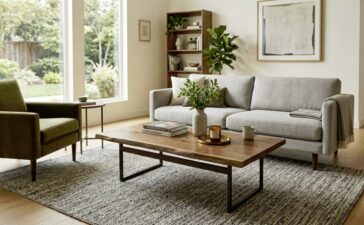
Characterized by clean lines, organic curves, and tapered legs
-
Balances form and function with a focus on simplicity
-
Often features walnut wood, leather, and minimalist upholstery
Scandinavian
-
Emphasizes light, nature-inspired materials, and minimalist design
-
Prioritizes functionality and serenity with pale woods and neutral fabrics
-
Adds warmth and calm to both small and open-concept spaces
Industrial
-
Draws inspiration from warehouses and factories—raw wood, exposed metal, and rugged finishes
-
Celebrates imperfections and repurposed materials
-
Often found in loft apartments and urban interiors
Contemporary
-
Evolving constantly with current design trends
-
Mixes materials and textures for visual interest
-
Encourages bold statements and clean aesthetics without historical constraints
Functional Furniture: Blending Utility with Aesthetics
The best furniture doesn’t just look good—it works beautifully within the rhythms of everyday life. Functionality is no longer an afterthought; it is integral to design.
Examples of Smart Functional Design:
-
Extendable dining tables that accommodate both intimate dinners and larger gatherings
-
Modular sofas that adapt to changing living arrangements
-
Ottomans with hidden storage that keep clutter at bay
-
Convertible desks that serve both as workstations and decorative surfaces
-
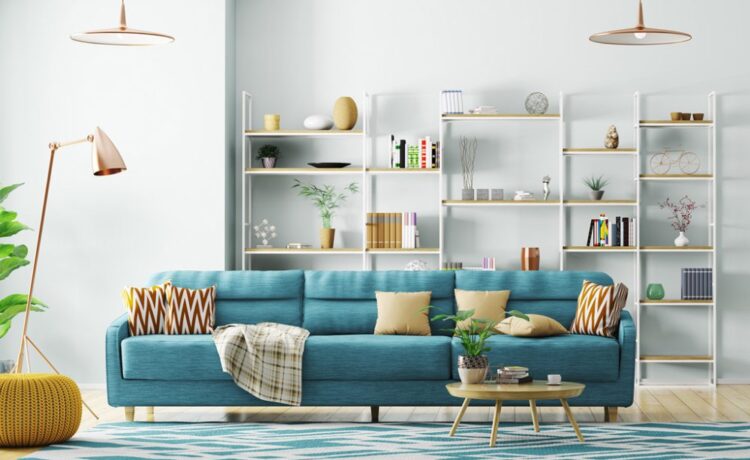
Wall-mounted shelves that save floor space while adding vertical interest
Furniture that adapts to multiple purposes is especially valuable in urban homes, where space is often limited.
Sustainable Choices: A Future-Focused Approach
As sustainability becomes a guiding principle in design, furniture is seeing a renaissance in responsible creation. Long gone are the days of disposable pieces with short lifespans.
Practices That Promote Sustainability:
-
Purchasing fewer, better-quality items that last
-
Supporting local artisans and small-scale manufacturers
-
Choosing reclaimed, FSC-certified, or recycled materials
-
Avoiding toxic glues, synthetic finishes, or fast furniture brands
-
Embracing vintage and antique furniture with unique histories and character
By investing in sustainability, homeowners contribute not only to environmental preservation but to a culture of conscious living.
Curating with Care: How to Choose and Place Furniture Thoughtfully
A well-furnished room is a result of intentional selection, not quantity. Choosing furniture is both an art and a discipline that balances taste, need, and proportion.
Tips for Mindful Furniture Selection:
-
Start with a focal point: A great sofa, statement bed, or dining table can anchor the room
-
Measure thoroughly: Ensure every piece fits the space without overcrowding
-
Consider flow: Arrange furniture to allow for easy movement and functional use
-
Mix styles with restraint: Blend old and new, soft and hard, large and small to add depth
-
Layer lighting and accessories: Complete the space with complementary elements that enhance the furniture’s role
The most captivating interiors aren’t those crammed with décor, but those curated with a sense of intention and clarity.
Conclusion: Furniture as a Reflection of Living Well
At its core, furniture is an extension of how we live, what we value, and the environments we create for ourselves and others. It is as much about comfort as it is about expression. The right chair invites relaxation, the right table encourages connection, and the right shelf showcases not only books but memories. As design philosophies evolve and our needs shift, furniture remains a constant—adaptable, expressive, and deeply personal. In choosing and living with furniture that is both beautiful and functional, we craft not just a home, but a lifestyle rooted in elegance, comfort, and authenticity.