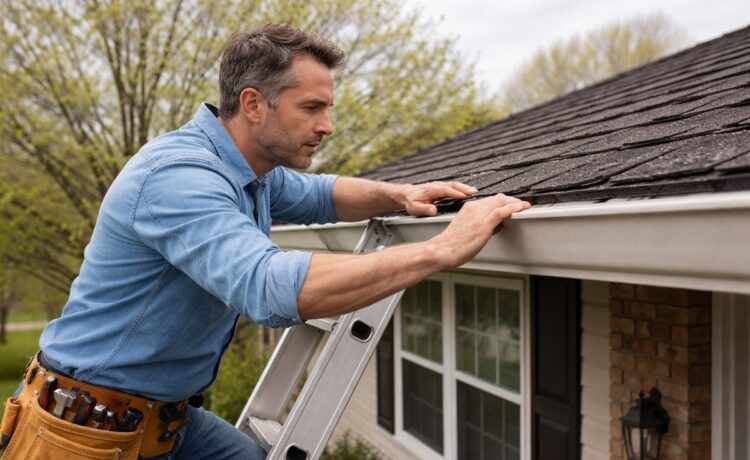
Spring roof inspection is a must-have for every homeowner. Winters are harsh on your roof. They can cause heavy snow loads, ice dams, and expose your roof to freeze-thaw cycles. All these conditions can create a lot of stress on the roof’s structure and materials. So, a spring roof inspection can ensure that any issue that develops in your roof is found and addressed immediately before it can turn into a costly repair or replacement.
Now that you understand the importance of roof inspection at this time of the year, what does the spring inspection checklist include?
1. Inspecting the Roof Surface
Winter storms are capable of damaging your roof’s surface, causing leaks or long-term structural problems. The roof surface checklist should include:
- Examining the shingles for signs of cracking, curling, missing areas, or blistering.
- Looking for algae, moss, or mildew growth, as these can be signs of excess moisture buildup.
- Inspecting the flashing around the chimneys, vents, and skylights for signs of deterioration or gaps.
- Looking for sagging areas indicating water pooling or damaged roofing materials.
- Close examination of shingles for lighter colors or bare spots.
2. Clearing Gutters & Downspouts
Gutters and downspouts play an important role in directing water away from the foundation. A spring roof inspection must include checking these structures for debris and their condition. Make sure they are firmly fixed in place. If the gutters are clogged, water can back up and seep under the shingles. Such damage can go unchecked for a long time and cause severe deterioration.
3. Check the Chimney & Skylights
A closer inspection of the chimney, skylights, and flashing includes the following:
- Look for signs of cracks, loose bricks, or disintegrating mortar in the chimney masonry.
- Look for any gaps around the skylights. There may be deterioration in the rubber seals. The presence of condensation between the glass panes can indicate a need for replacement.
- If there is lifted or damaged flashing, it should be fixed to ensure a watertight seal.
4. Look for Signs of Water Damage
Check the attic and ceilings from inside for the presence of mold or water stains. Water stains can mean there is a leak in the roof. The areas around roof penetrations should be carefully checked for any signs of leaks.
5. Check the Roof Ventilation
If the ventilation is in good condition, it can prevent ice dam formation, mold growth, and early roof degradation. So, your spring inspection must include:
- Checking the ridge and soffit vents for debris
- Checking for uneven temperatures within the attic
- Checking for the presence of nests or pests
6. Look for Pest Infestation
Any pest infestation, whether involving insects, birds, or rodents, can cause damage to the roofing materials. Nests in the roof or attic can also affect ventilation. So, your spring roof inspection should also include the following steps:
- Look for the presence of droppings. They are a clear indication that you may have rodents or other pests
- Look for any nests, as they can indicate the presence of squirrels or birds
- Check the roof exterior for openings or damage that may allow pests to enter
7. Trimming Overhanging Branches
Your spring roof inspection checklist must also include trimming any tree branches overhanging your roof. Storms or wind can cause branches near your home to scrape against the roof and cause wear. Also remove any weak or dead branches that can break off and fall onto the roof. When you have well-trimmed trees around your home, you can expect less leaf debris in the gutters.
So, these are the simplest steps you can take as part of your spring roof inspection checklist. It is recommended to have a licensed and experienced professional take care of the job. They can access areas you may not be able to reach and tend to have an eye for detecting the smallest of issues.