Flooring is often discussed in broad terms: carpet or hard floor, light or dark, plain or patterned. Yet the smaller details can make just as much difference to how finished a room feels. From edging to thresholds, these practical choices shape how neatly the flooring works with the rest of the home.
Homeowners looking at Falkirk carpets often focus first on colour and feel, which is understandable. However, the final result also depends on how the flooring is fitted, how it meets other surfaces and whether the details have been thought through properly.
Thresholds Affect The Whole Finish
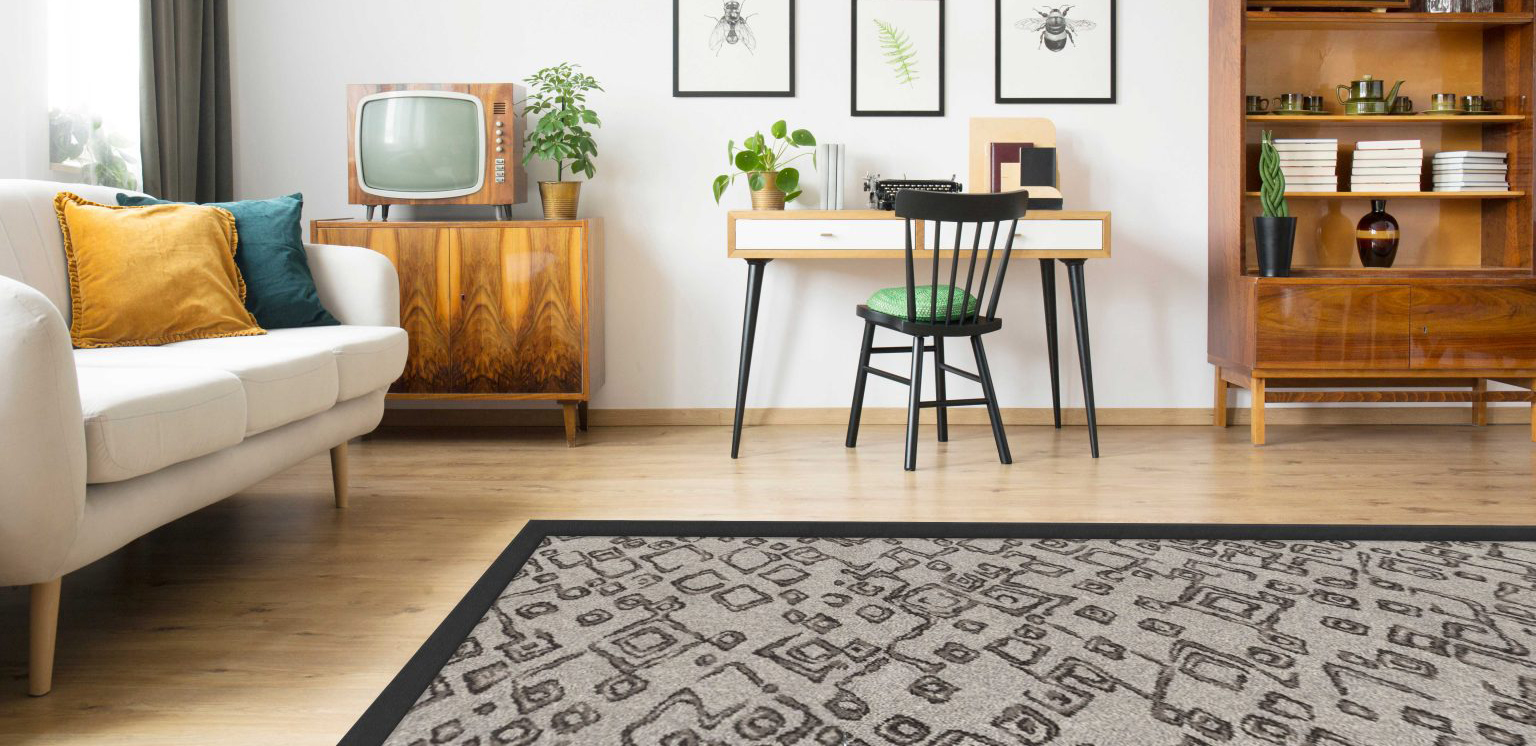
Threshold strips are small, but they are highly visible. They sit where one room meets another, or where carpet meets vinyl, laminate, luxury vinyl tile or another surface. If they look mismatched or poorly chosen, they can make an otherwise good floor feel unfinished.
The best threshold choice depends on floor height, material and doorway position. A neat transition reduces trip risks and helps protect the edges of the flooring. It also makes the change between rooms feel intentional rather than patched together.
Skirting Boards And Edges Matter
Flooring does not stop at the middle of the room. The edges are where poor planning often shows. Gaps, uneven cuts or awkward joins can draw attention for the wrong reasons. This is particularly noticeable in rooms with simple décor, where there are fewer visual distractions.
When replacing flooring, it is worth thinking about skirting boards, beading and edge finishes at the same time. In some cases, removing and refitting skirting can create a cleaner result. In others, a carefully chosen trim may be more practical. The aim is to make the floor look integrated with the room.
Direction Can Change The Sense Of Space
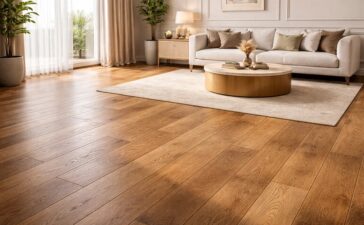
With plank-style flooring, the direction of the boards can affect how the room feels. Running flooring along the longest wall can make a space feel more extended, while laying it towards a source of light can create a natural sense of movement. In narrow hallways, direction can be especially important.
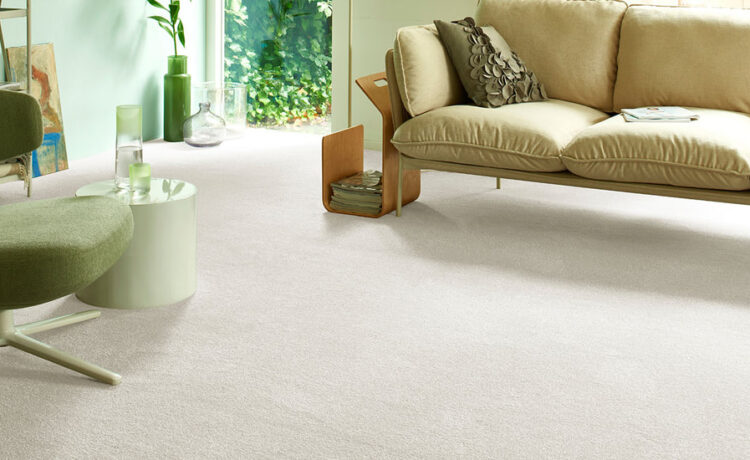
Carpet also has visual direction, particularly with certain piles. Light can catch the fibres differently depending on how the carpet is laid. This can create shading effects that are completely normal but worth understanding before installation, especially in larger rooms.
Stairs Need Extra Thought
Stairs are one of the most demanding areas in the home. They take concentrated footfall, and the edges of each step can wear faster than flat areas. Choosing a carpet purely because it looks good in a bedroom may not be the best approach for a staircase.
Durability, grip and underlay all matter on stairs. A well-fitted stair carpet can reduce noise, feel safer underfoot and soften the look of the hallway. Patterns and textures can also work well because they help disguise everyday wear in a high-use area.
Samples Should Be Viewed In Place
A small sample can look very different once it covers a whole floor. Colour, texture and pile direction all become more noticeable at scale. This is why samples should be viewed in the room itself, next to existing furniture, wall colours and natural light.
It is also sensible to place samples near doorways and against skirting boards. These are the areas where flooring interacts with the rest of the room most clearly. A choice that looks right in isolation may feel too warm, too cool or too busy once it is seen alongside everything else.
A Better Finish Comes From Planning
The most successful flooring projects are not just about choosing the right product. They are about thinking through the details that affect how the finished room looks and functions. Edges, joins, thresholds, direction and stairs all contribute to the final impression.
Good flooring should feel like it belongs in the home. When the smaller details are handled properly, the result is calmer, neater and more practical. That is what turns a simple floor replacement into a room that feels properly finished.