Introduction: The Silent Language of Structures
Architecture, beyond its practical function, is a form of storytelling—an enduring expression of human ambition, aesthetic values, and societal evolution. It is the invisible scaffold of culture, shaping how we live, work, gather, and dream. From the angular majesty of the pyramids to the fluid modernity of Zaha Hadid’s designs, architecture not only accommodates life but also inspires it. It is both an art and a science—a harmonious marriage of engineering prowess and creative vision.
A Historical Canvas: Architecture Across Eras
Architecture mirrors the epochs through which it passes. The materials used, the shapes formed, and the philosophies embedded within each design offer insight into the social, political, and technological currents of a time.
Classical Antiquity
-
Rooted in harmony, symmetry, and proportion
-
Greek temples such as the Parthenon showcased balance and mathematical precision
-
Roman innovation led to concrete, arches, and aqueducts, expanding the potential of construction
The Gothic and Renaissance Periods
-
Gothic cathedrals like Notre-Dame celebrated spiritual transcendence with pointed arches and flying buttresses
-
The Renaissance reintroduced classical principles, championing humanism through geometrically ideal structures like Brunelleschi’s dome in Florence
Modernism and Beyond
-
The 20th century brought rationality, simplicity, and function to the forefront with architects like Le Corbusier and Mies van der Rohe
-
Postmodernism rebelled against uniformity, reintroducing color, whimsy, and historical reference
-
Today’s architecture is defined by innovation and sustainability, focusing on ecological harmony and adaptive reuse
The Philosophy of Space: More Than Just Walls
Architecture shapes experience. The layout of a space can influence behavior, emotions, and even the pace of life.
Emotional Resonance
A well-designed space elicits feeling. The hushed awe inspired by a cathedral, the tranquil minimalism of a Japanese tea house, or the lively openness of a Mediterranean courtyard—these aren’t accidents. They are crafted atmospheres, deliberate manipulations of space, light, and material.
Cultural Identity
Buildings become icons not just for their form but for what they represent. The Sydney Opera House, the Eiffel Tower, or the Taj Mahal are more than landmarks—they are architectural embodiments of national character and pride.
Functional Harmony
Good architecture balances function and form. It anticipates human needs, accommodates them seamlessly, and enhances daily life. Schools that encourage learning, hospitals that ease anxiety, offices that boost productivity—all are results of thoughtful design.
Sustainability: The Ethical Turn in Architecture
As climate change and resource depletion challenge every industry, architecture stands at the forefront of sustainable transformation. Building design must now address long-term ecological impact alongside aesthetics and function.
Green Design Principles
-
Use of renewable or recycled materials
-
Passive solar design to minimize energy consumption
-
Incorporation of natural ventilation and lighting
-
Water conservation systems
-
Rooftop gardens and green facades to improve air quality
Adaptive Reuse
Rather than demolishing and building anew, adaptive reuse gives structures a second life. Warehouses become galleries, churches become libraries, and factories become lofts. This not only preserves history but also drastically reduces environmental strain.
Technological Advancements in Architecture
The architectural process is undergoing a digital renaissance, thanks to innovations that allow for greater precision, flexibility, and creativity.
Parametric Design
Algorithms are now used to design complex, organic forms that would be nearly impossible to conceive manually. This allows for architecture that responds to wind flow, sunlight paths, and environmental context in real time.
3D Printing
From entire houses to intricate façade components, 3D printing is revolutionizing the way we build. It allows for waste reduction, speed, and freedom in form.
Virtual Reality and BIM
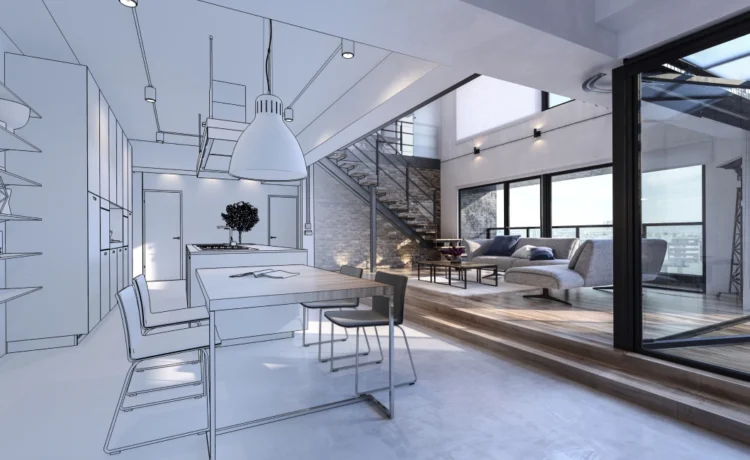
Architects can now walk through buildings before they’re even constructed. Building Information Modeling (BIM) integrates every aspect of a building’s design and lifecycle, from plumbing systems to energy use, improving coordination and reducing costly errors.
Architecture as a Social Catalyst
More than a backdrop to life, architecture has the power to improve society. Thoughtful design can heal, connect, and empower.
Community-Centered Design
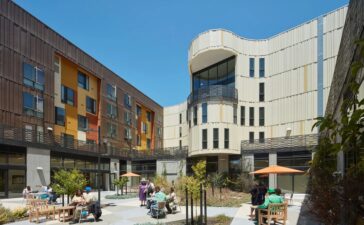
Urban spaces that encourage interaction, inclusion, and accessibility uplift communities. Parks, public libraries, pedestrian plazas, and inclusive housing developments are essential components of equitable cities.
Disaster-Resilient Architecture
In areas prone to natural calamities, architecture can be a shield. Elevated structures, flood-resistant materials, and wind-optimized forms protect not only property but also lives.
Healing Environments
Hospitals and mental health facilities increasingly draw from biophilic design—integrating natural elements like light, water, and greenery—to foster recovery and well-being.
The Future of Architecture: Vision Rooted in Values
As we look ahead, architecture must respond to an increasingly interconnected and resource-conscious world. While technological wizardry will no doubt expand the limits of form, the heart of architecture must remain firmly grounded in human needs and ethical responsibility.
Anticipated Trends
-
Modular and prefabricated structures to expedite housing solutions
-
Smart buildings with AI-powered energy management
-
Circular design processes that emphasize material lifecycle
-
Responsive architecture that adapts to environmental changes
Conclusion: The Poetic Structure of Civilization
Architecture is the quiet giant of civilization—a discipline that works in silence yet touches every corner of human existence. It is history etched in stone, future dreamed in steel, and identity shaped in wood and glass. To build is to believe in the possibility of beauty, function, and meaning coexisting. And in doing so, architecture becomes not only a record of our past but a blueprint for our collective future.