Professional cleaning is far more than surface-level tidying. It is a science-driven discipline that blends chemistry, microbiology, physics, and material science to achieve hygienic, safe, and long-lasting results. Understanding the science behind these techniques explains why professional cleaning consistently outperforms routine household methods.
The Role of Chemistry in Professional Cleaning
At the core of every effective cleaning process lies chemical interaction. Cleaning agents are formulated to break down and remove specific types of soil, stains, and microorganisms.
How Cleaning Chemicals Work
-
Surfactants reduce surface tension, allowing water to penetrate dirt and grease.
-
Solvents dissolve oily or sticky residues.
-
Acids and alkalis target mineral deposits, rust, or organic buildup.
-
Disinfectants disrupt microbial cell walls or metabolic processes.
Professionals select products based on surface type, contamination level, and safety considerations, ensuring optimal performance without damage.
Microbiology: Controlling Germs and Pathogens
Cleaning and disinfecting are not the same. The science of microbiology helps professionals distinguish between removing visible dirt and eliminating harmful microorganisms.
Why Disinfection Requires Precision
-
Bacteria and viruses vary in resistance levels.
-
Proper dwell time is necessary for disinfectants to be effective.
-
Incorrect dilution can reduce antimicrobial power.
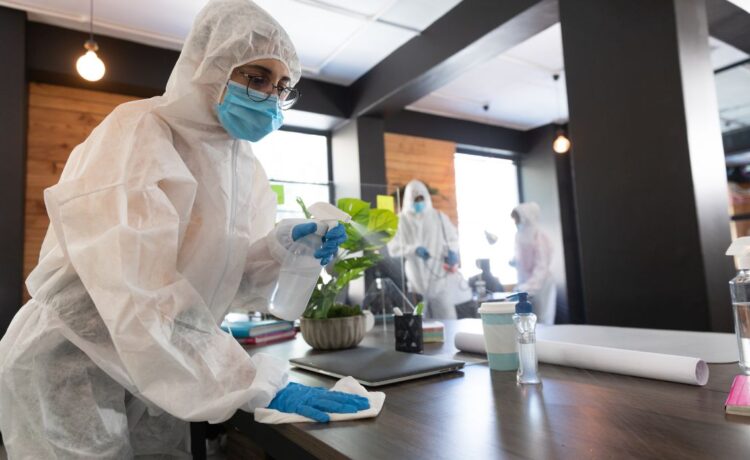
Professional techniques are designed to minimize cross-contamination while reducing the risk of infections in homes, offices, and healthcare settings.
Physics and Mechanical Action in Cleaning
Beyond chemicals, physical forces play a critical role in cleaning effectiveness.
Key Physical Principles
-
Agitation loosens embedded dirt from surfaces.
-
Pressure helps dislodge stubborn grime.
-
Heat accelerates chemical reactions and improves grease removal.
Equipment such as steam cleaners, rotary machines, and high-efficiency vacuums apply these principles in a controlled and efficient manner.
Material Science and Surface Compatibility
Different surfaces react differently to moisture, chemicals, and friction. Material science ensures cleaning methods preserve surface integrity.
Surface-Specific Considerations
-
Porous materials absorb liquids and require low-moisture techniques.
-
Delicate surfaces need pH-neutral solutions.
-
Hard floors respond better to controlled abrasion and sealing.
Professional cleaners assess materials before selecting tools and products, preventing long-term wear or damage.
The Importance of Process and Technique
Professional cleaning is systematic, not random. Each step follows a scientifically informed sequence.
Standard Cleaning Workflow
-
Soil assessment and surface inspection
-
Dry soil removal
-
Targeted chemical application
-
Mechanical action
-
Rinsing or residue removal
-
Final inspection
This structured approach maximizes efficiency and ensures consistent results.
Why Professional Cleaning Delivers Superior Results
The combination of science-based products, trained technique, and specialized equipment creates outcomes that casual cleaning cannot replicate.
Key Advantages
-
Improved indoor air quality
-
Reduced microbial presence
-
Extended lifespan of surfaces and furnishings
-
Compliance with hygiene and safety standards
Professional cleaning is not just about appearance; it is about creating healthier, safer environments through applied science.
Frequently Asked Questions
How is professional cleaning different from regular household cleaning?
Professional cleaning uses science-backed methods, specialized chemicals, and advanced equipment designed for deeper hygiene and surface protection.
Are professional cleaning chemicals safe for indoor environments?
When properly selected and applied, professional-grade products are formulated to be both effective and safe, minimizing harmful residues.
Why is dwell time important in disinfecting?
Dwell time allows disinfectants to interact fully with microorganisms, ensuring effective neutralization rather than partial reduction.
Does professional cleaning help reduce allergens?
Yes, advanced vacuum systems and targeted cleaning remove dust, pollen, and allergens that standard methods often miss.
How do professionals prevent surface damage?
They assess material properties and match cleaning agents and techniques to surface tolerance levels.
Is steam cleaning scientifically effective?
Steam cleaning uses heat to break down grease and kill microbes, making it highly effective for certain surfaces and applications.
How often should professional cleaning be done?
The frequency depends on usage, environment, and hygiene requirements, but regular professional cleaning helps maintain long-term cleanliness and health.