Power distribution systems are essential in ensuring electrical energy is delivered safely and efficiently from the generating stations to end-users across residential, commercial, and industrial sectors. For contractors electrical and other professionals, understanding these systems is critical for maintaining safety standards and improving efficiency, particularly in regions like Thailand where development and infrastructure continue to advance rapidly.
This guide will provide a straightforward explanation of the components and functioning of power distribution systems, with an emphasis on aspects relevant to Thailand.
What is a Power Distribution System?
A power distribution system lies between a power generation source and the final users of electricity. After electricity is generated at a power plant, it passes through a transmission system and is finally stepped down by substations into lower voltage levels to be distributed to homes and businesses. The system ensures that energy is distributed efficiently while maintaining safety and reliability across varied regions.
Components of a Power Distribution System
- Substations
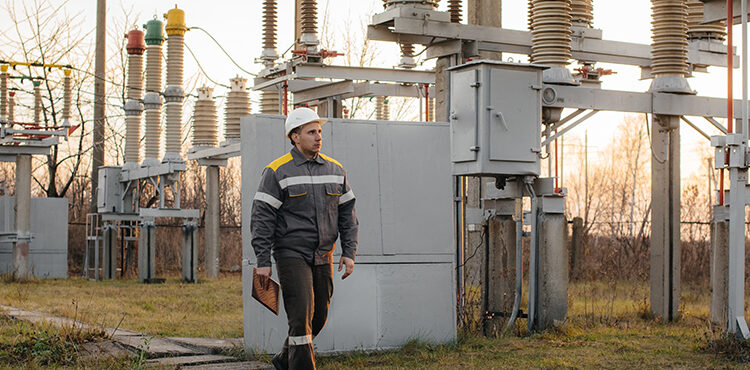
Substations are the hubs where electricity is transformed from higher voltage levels to lower ones, making it suitable for end-users. Substations in Thailand often cater to sprawling urban areas as well as rural regions, bridging gaps in electrification.
- Conductors
Conductors carry electricity from substations to consumers. These could be overhead lines or underground cables. Thailand, with its tropical weather, often incorporates specially insulated cables to deal with fluctuating conditions such as intense heat and heavy rains.
- Transformers
Transformers play a crucial role in adjusting voltage levels as per the requirements. They step down electricity to usable levels before it reaches residential or commercial establishments.
- Switchgear and Circuit Breakers
These devices protect the system from faults and ensure safe operation. Circuit breakers, for instance, cut the electricity supply during an overload, preventing damage or hazards.
- Distribution Poles
Most visible to the public, these poles carry electrical lines safely above ground. They are an essential component of Thailand’s electrical infrastructure, especially in rural areas.
Distribution Systems in Thailand
Thailand’s power distribution system is continuously evolving to meet the demands of its growing population and a burgeoning economy. The country places emphasis on integrating modern technology-enabled grids in urban centres while expanding basic infrastructure in under-served regions. Given the prevalence of tropical storms, there is also a focus on durable systems, such as underground distribution networks in dense urban hubs.
Additionally, energy efficiency is a growing focus for contractors electrical in Thailand, with increased interest in renewable sources like solar farms and wind energy, requiring auxiliary systems for seamless integration into existing power grids.
Why Understanding Power Distribution Matters
For contractors and professionals involved in electrical projects, having a firm grasp of power distribution systems ensures compliance with safety standards and facilitates smoother operations. Not only does it enable effective project planning, but it also leads to significant reductions in downtime caused by potential system failures.
Whether it’s ensuring the right load distribution or planning for backup during power outages, staying informed helps build trust with end-users and avoids unnecessary delays in any projects.
Thailand’s power distribution landscape is as diverse as the country itself, spanning modern urban grids to remote rural networks. For contractors electrical and others working in the field, understanding the building blocks of these systems isn’t just a technical requirement; it’s about contributing to reliable and sustainable energy access for all.