A home renovation is an exciting venture that enhances comfort, boosts aesthetic appeal, and increases property value. While interior upgrades like kitchen remodels or bathroom overhauls often take center stage, the roof remains the single most critical structural element protecting your entire investment.
Planning a roof renovation or replacing an aging roof system alongside other home improvements requires careful coordination, material evaluation, and financial planning. A well-executed roofing project shields your home from water damage, optimizes thermal performance, and provides peace of mind for decades. Homeowners can navigate the roofing renovation process smoothly by following established industry practices and structural guidelines.
Evaluating Your Current Roof Condition Before Renovating
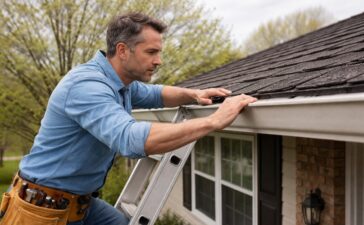
Before choosing materials or scheduling contractors, conduct a thorough assessment of your existing roof structure. Understanding the current health of your roof determines whether a complete replacement, minor repairs, or a full structural tear-off is necessary.
-
Inspect for Interior Water Damage: Check the attic space for damp insulation, water stains on rafters, mold growth, or daylight shining through roof boards.
-
Examine Surface Shingles and Tiles: Look for missing, curling, cracked, or severely faded shingles. Excessive loss of protective asphalt granules in gutters indicates advanced wear.
-
Assess Structural Sagging: A sagging roofline along the ridge or rafter planes suggests underlying plywood sheath damage or structural framing failure that requires immediate professional remediation.
-
Check Flashing Integrity: Inspect metal flashing around chimneys, dormers, plumbing stacks, and skylights. Corroded or loose flashing serves as a primary source of hidden roof leaks.
Coordinating Roofing with Other Home Renovations
Timing plays a vital role when combining a roofing project with broader home renovations. Executing projects in the wrong order can result in accidental damage to brand-new installations.
Exterior Siding and Window Upgrades
If your home renovation includes new siding or replacement windows, schedule the roof replacement first or concurrently. Removing old roofing materials generates heavy debris that can scratch new window frames or damage fresh siding. Furthermore, roof step flashing integrates directly behind exterior siding walls; installing siding before roofing can lead to improper water barrier sealing.
Solar Panel Installations
Homeowners planning to add rooftop solar panels should evaluate roof age first. Installing solar arrays over a roof that is more than ten years old is inefficient, as removing and reinstalling solar equipment to replace the underlying roof later adds thousands of dollars in labor fees. Always install a new, long-lasting roof prior to solar panel mounting.
Attic Insulation and Ventilation Upgrades
A roofing project provides the ideal opportunity to optimize attic ventilation and insulation. Proper attic airflow regulates temperature extremes and prevents ice dam formation during freezing winter months. Ensure your roofing contractor coordinates ridge vents and soffit intake vents to establish a balanced ventilation system.
Choosing the Right Roofing Material for Longevity and Value
Selecting the proper roofing material requires balancing upfront installation costs with long-term durability, climate suitability, and neighborhood aesthetics.
Architectural Asphalt Shingles
Architectural or dimensional asphalt shingles represent the most popular choice for modern residential homes. Unlike flat three-tab shingles, architectural shingles feature multiple layers of asphalt laminated together, creating a dimensional wood-shake appearance. They offer wind resistance up to 130 miles per hour and carry lifespans ranging from 25 to 30 years.
Metal Roofing Systems
Standing seam metal roofs made from steel or aluminum offer exceptional durability, fire resistance, and energy efficiency. Metal roofs reflect solar heat away from the home, lowering summer cooling expenses. With a functional lifespan of 40 to 70 years and minimal maintenance demands, metal systems provide high long-term value despite higher initial installation costs.
Synthetic Slate and Composite Tiles
For homeowners desiring the classic beauty of natural slate or cedar shakes without heavy structural weight, synthetic composite tiles offer an excellent alternative. Manufactured from recycled polymers and rubber compounds, composite roofing resists impact damage, mold, rot, and color fading while carrying 50-year manufacturer warranties.
Selecting a Qualified and Licensed Roofing Contractor
The longevity of any roof depends as much on installation quality as on material grade. Partnering with an experienced, licensed, and insured roofing contractor prevents costly installation errors.
-
Verify Licensing and Insurance: Confirm that the contractor holds active state licensing, general liability insurance, and full worker compensation coverage to protect you from liability during construction.
-
Demand Written Estimates: Request itemized quotes detailing tear-off labor, underlayment grade, drip edge installation, ice and water shield placement, waste removal fees, and warranty specifics.
-
Check Manufacturer Certifications: Contractors holding factory certifications from leading material manufacturers can offer extended non-prorated system warranties that uncertified installers cannot provide.
-
Review Local References: Examine recent project references and independent online reviews within your immediate geographic area to verify work quality and customer service consistency.
Preparing Your Home for Roof Construction Day
Roof replacement is an intensive, loud construction process involving heavy machinery and falling debris. Proper preparation minimizes property disruption and protects your household belongings.
Clear driveways and walkways to provide staging space for delivery trucks and dumpsters. Move vehicles out of garages prior to work commencement, as access may be blocked once work starts. Protect outdoor landscaping by requesting magnetic sweepers for stray nails and heavy tarps over plants, decks, and patio furniture.
Inside the home, remove valuable artwork, hanging mirrors, and delicate decor from upper-story walls, as intense hammering creates structural vibrations that can shake wall hangings loose. Cover items stored in open attic spaces with plastic sheeting to catch dust and small wood splinters falling through roof decking gaps.
Frequently Asked Questions
Is it better to lay new shingles over old ones or do a complete tear-off?
A complete tear-off is almost always the superior choice. Overlaying new shingles over old ones traps heat, reduces the lifespan of the new shingles, hides underlying rotting plywood decking, and prevents the installation of modern waterproof underlayments and ice shields. Many local building codes also limit the number of allowable roofing layers to two.
What is an ice and water shield, and why is it necessary?
An ice and water shield is a self-adhering waterproof membrane installed along vulnerable roof areas, such as eaves, valleys, rakes, and around roof penetrations. It seals tightly around nail shanks to prevent water backing up under shingles due to winter ice dams or wind-driven rainstorms.
How long does a standard residential roof replacement take to complete?
For an average single-family home ranging between 2000 and 3000 square feet, a professional roofing crew can typically complete a full tear-off and replacement in one to two days, weather permitting. Complex roof designs with steep pitches, multiple gables, or heavy tile materials may extend the timeline to three or four days.
What should I do if my contractor finds rotted roof decking during the tear-off?
Rotted or sagging plywood sheathing must be replaced before installing new underlayment and shingles. A reliable roofing contract should include a clear price per plywood sheet for unexpected decking repairs, allowing the crew to replace compromised wood immediately without halting the project.
How does roof color affect household energy efficiency?
Lighter roof colors reflect a higher percentage of solar heat, keeping attic spaces cooler and reducing air conditioning demands in warm climates. Darker roof colors absorb heat, which can assist in melting snow in cold northern regions, though modern reflective pigments now allow dark shingles to achieve strong energy ratings as well.
What type of warranty should I expect with a new roof installation?
A comprehensive roof warranty consists of two parts: the manufacturer material warranty and the contractor workmanship warranty. Material warranties for asphalt shingles typically range from 25 years to lifetime limited coverage, while reputable contractor workmanship warranties cover installation defects for anywhere from 5 to 25 years.
Can I install skylights during a roof renovation project?
Yes, replacing an existing roof provides the absolute best opportunity to install new skylights or replace aging units. Integrating skylight flashing kits directly into fresh roof underlayment and shingles ensures a watertight seal and saves on labor costs compared to adding skylights later.