Introduction: The Silent Soul of Every Space
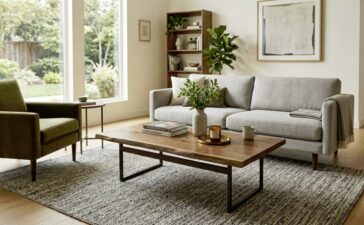
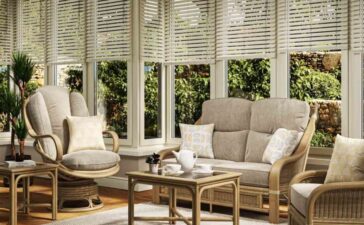
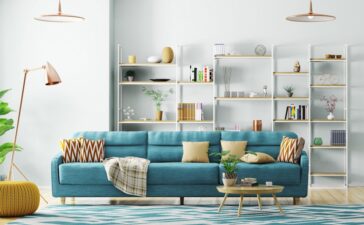
Furniture is the quiet narrator of our homes and lives. More than simple fixtures, these pieces anchor our routines, shape our interactions, and express our individual aesthetics. From the elegance of a carved armoire to the clean lines of a Scandinavian coffee table, furniture blends craftsmanship with purpose, becoming both art and utility. At its best, it reflects a respect for tradition, a nod to innovation, and a deep understanding of spatial harmony. Thoughtfully chosen furniture transforms a space from merely habitable to intentionally designed.
A Brief History: The Evolution of Furniture Through Time
Furniture has always been a mirror of civilization—shifting with societal values, materials, and technological advances.
Ancient Civilizations
-
Egyptians introduced symmetry and motifs, often crafting pieces from ebony, ivory, and gold
-
Greeks and Romans emphasized ergonomics and geometry, pioneering designs like the klismos chair and reclining couches
-
Chinese dynasties, especially Ming, elevated joinery to an art form with minimal use of nails or glue
Medieval and Renaissance Periods
-
Medieval furniture was heavy, ornate, and built to last—often doubling as storage or security
-
The Renaissance revived classical proportions, incorporating inlays, marquetry, and humanistic elegance
18th to 20th Century
-
Baroque and Rococo styles brought elaborate flourishes and luxurious curves
-
Victorian tastes favored rich woods, tufted upholstery, and intricate detailing
-
Modernism simplified the silhouette, celebrating functionality with designers like Mies van der Rohe and Charles Eames
Today’s furniture design continues to oscillate between minimalism and maximalism, always returning to the core principle of balance between beauty and function.
Key Elements of Exceptional Furniture
Truly exceptional furniture transcends trends. It reflects quality, coherence, and comfort—a trifecta that ensures longevity and aesthetic harmony.
1. Craftsmanship
-
Look for dovetail joints, hand-carving, and smooth finishes that speak of attentive labor
-
High-quality craftsmanship ensures structural integrity and timeless appeal
2. Material Integrity
-
Solid wood (oak, walnut, maple) adds weight and authenticity
-
Upholstery should be well-stitched, with fabrics suited to both function and climate
-
Glass, metal, and stone can be used sparingly for contrast and sophistication
3. Proportions and Scale
-
A sofa too large overwhelms a small room, while a petite chair disappears in a grand salon
-
Proportions should align with ceiling height, room size, and existing architectural elements
4. Functionality
-
Multi-use furniture like storage benches or extendable dining tables serve modern living needs
-
Ergonomic considerations are essential, especially in seating and workspaces
Styles and Statements: Finding Your Aesthetic
Furniture is deeply personal, yet knowing key design styles can help shape a cohesive home environment.
Classic Styles:
-
Traditional: Features ornate detailing, rich woods, and symmetrical layouts
-
Mid-Century Modern: Defined by clean lines, tapered legs, and a mix of materials
-
Rustic/Farmhouse: Embraces reclaimed wood, natural finishes, and a sense of warmth
-
Industrial: Raw and rugged, using metal frames, exposed rivets, and utilitarian design
-
Scandinavian: Light, airy, minimalist, and function-forward with a love of pale woods and soft textures
Tips to Mix Styles Gracefully:
-
Choose a unifying color palette
-
Use consistent materials or finishes to bridge aesthetics
-
Anchor your room with one dominant style, and introduce accents from another
Furniture Placement: Creating Flow and Function
Even the most beautiful furniture fails when poorly placed. Spatial awareness is critical to maintaining flow, enhancing usability, and cultivating atmosphere.
Guidelines for Smart Arrangement:
-
Living Room: Allow for conversation circles with furniture facing inward; float pieces away from walls to define zones
-
Dining Room: Ensure at least 36 inches of clearance around the table for movement
-
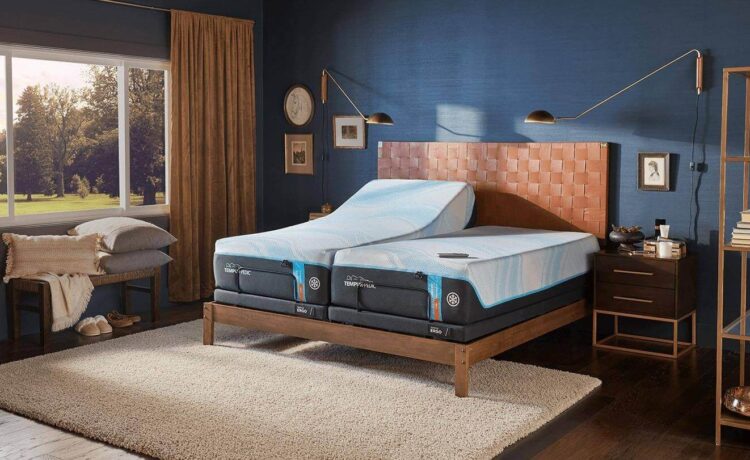
Bedroom: The bed is the focal point—complement with balanced nightstands and appropriate lighting
-
Home Office: Prioritize ergonomic chairs and desks with ample surface and storage
Custom Furniture: Where Personality Meets Precision
Custom furniture is gaining popularity for its ability to blend personality with precision. These bespoke pieces are tailored to space, lifestyle, and taste.
Advantages of Custom Furniture:
-
Made to fit unique spaces or awkward layouts
-
Offers control over materials, finishes, and design details
-
Carries personal value and storytelling, often becoming heirlooms
Whether through an artisan carpenter or high-end design studio, custom furniture represents a deeper investment in one’s living environment.
Sustainability and Ethical Choices
In an age of fast furniture and disposable decor, choosing sustainable furniture is a thoughtful and forward-looking practice.
Eco-Conscious Furniture Practices:
-
Use of reclaimed or FSC-certified wood
-
Natural, non-toxic finishes and glues
-
Local production to reduce transport emissions
-
Supporting companies with ethical labor standards
Buying less, but better, ensures your furniture not only looks good but also aligns with responsible living.
Care and Longevity: Preserving the Pieces You Love
Fine furniture, like any art form, benefits from consistent care. Maintenance enhances longevity and preserves aesthetic quality.
Maintenance Tips:
-
Dust wood furniture with a soft cloth to prevent scratching
-
Avoid direct sunlight to prevent warping and fading
-
Rotate cushions to ensure even wear
-
Re-oil or wax wood surfaces periodically to nourish the grain
-
Tighten screws and bolts as needed to maintain stability
Furniture restoration is also a rewarding option—reupholstering a vintage chair or refinishing a table brings new life to old forms.
Conclusion: Furniture as a Living Art
Furniture is far more than utility—it’s the canvas on which we paint our lives. Each piece tells a story, holding the imprints of shared meals, quiet evenings, creative bursts, and meaningful conversations. Whether inherited, discovered, or custom-crafted, furniture weaves function with soul, art with architecture. By choosing thoughtfully, caring deliberately, and arranging intentionally, you create not just a home, but a personal landscape of living beauty. With the right furniture, life becomes not only more comfortable—but more elegantly lived.