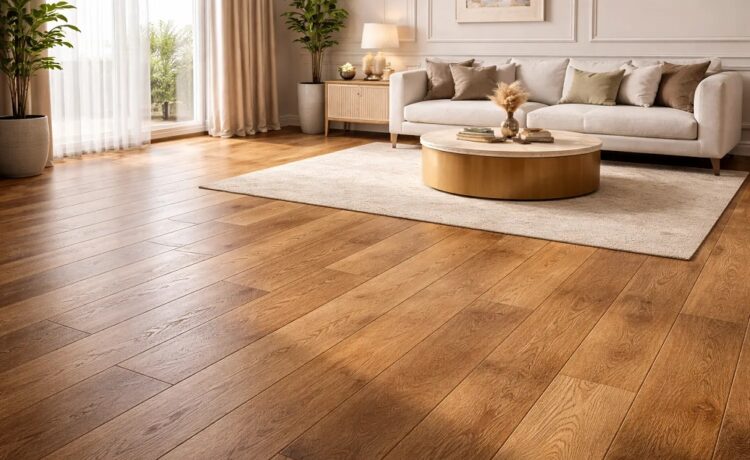
Hardwood flooring has long served as the gold standard for home interiors. Its timeless warmth, natural grain patterns, and structural elegance elevate any room. However, authentic solid hardwood comes with a steep price tag, high installation costs, and ongoing maintenance demands. Solid wood is also prone to scratching, warping in humid environments, and showing wear in high-traffic areas.
Fortunately, modern manufacturing techniques have revolutionized resilient and synthetic flooring. Today’s budget-friendly flooring options mimic the visual richness, texture, and character of real timber so closely that even experts must inspect them up close to spot the difference. By exploring high-performance alternatives, homeowners can achieve a sophisticated, upscale aesthetic while staying firmly within budget.
Understanding What Makes Flooring Look Expensive
To replicate the appearance of luxury wood floors without the high price tag, it helps to understand what makes solid hardwood visually impressive in the first place. Cheap synthetic floors often fail visually because they look flat, repetitive, or artificial. Premium hardwood alternative surfaces rely on specific structural and visual qualities:
-
Realistic Texture and Embossing: Premium alternatives feature registered-in-embossing, where the surface texture matches the visual wood grain underneath. This alignment creates realistic knots, subtle wood grooves, and natural hand-scraped tactile feel.
-
Varied Plank Patterns and Print Repeat Rates: High-end alternatives utilize high-definition printing with high pattern variation. This prevents the same wood grain design from repeating across the floor, preserving an organic appearance.
-
Beveled Edge Construction: Real wood planks have subtle micro-beveled edges that define each individual plank when installed. Low-grade vinyl often forms a completely continuous, flat sheet, whereas high-quality options feature micro-bevels to mimic authentic plank seams.
-
Wide and Long Plank Format: Wide planks create an expansive, luxurious feel in modern homes. Premium alternatives come in wider, longer board dimensions that feel spacious rather than busy.
Top Budget-Friendly Hardwood Flooring Alternatives
Several distinct flooring categories provide the beauty of real wood at a fraction of the cost, each offering unique performance advantages for different areas of the home.
Luxury Vinyl Plank (LVP) Flooring
Luxury Vinyl Plank, commonly known as LVP, has become one of the most popular flooring materials in residential renovations. Composed of multiple durable layers, including a rigid core, a high-definition image layer, and a clear wear layer, LVP delivers impressive realism and everyday toughness.
LVP is completely waterproof, making it a reliable choice for kitchens, bathrooms, basements, and entryways where real hardwood would warp or buckle from moisture exposure. Stone Plastic Composite, or SPC, rigid core LVP offers superior resistance to dents and heavy impacts. It can be installed directly over existing hard surfaces using click-lock installation systems, cutting labor costs significantly.
Modern Laminate Flooring
Laminate flooring has advanced significantly since its introduction decades ago. Constructed from high-density fiberboard topped with a high-resolution photographic layer and a hard protective resin coat, contemporary laminate offers some of the most convincing wood replicas available.
Laminate provides exceptional scratch resistance against pet claws, dragging furniture, and heavy foot traffic. Many premium laminate collections now feature water-resistant or fully waterproof core technologies, expanding their use into moisture-prone rooms. Because laminate is harder underfoot than vinyl, it replicates the solid, grounded feel of real hardwood when paired with quality underlayment.
Engineered Wood Flooring
For homeowners who refuse to compromise on having real wood underfoot, engineered hardwood provides an ideal middle ground. Engineered planks consist of a top layer of real hardwood veneer bonded over multiple cross-stacked layers of high-grade plywood or core fiberboard.
This layered construction makes engineered wood far more dimensionally stable than solid timber, resisting structural expansion and contraction caused by seasonal humidity changes. While engineered hardwood costs slightly more than vinyl or laminate, it remains significantly cheaper than solid hardwood while providing authentic wood grain, natural variations, and the ability to be refinished in thicker veneer options.
Wood-Look Porcelain and Ceramic Tile
Tile manufacturers use advanced digital inkjet printing to replicate rich timber textures, reclaimed barn wood, and exotic hardwood species directly onto durable ceramic and porcelain tiles.
Wood-look tile offers unmatched durability, fire resistance, and zero water absorption. It works exceptionally well in humid coastal regions, high-moisture bathrooms, and homes with radiant in-floor heating systems. While tile installation requires professional skill and mortar work, the finished floor lasts for decades without fading, scratching, or degrading.
Bamboo Flooring
Although technically a fast-growing grass, bamboo is processed into durable planks that rival traditional hardwoods in appearance and density. Strand-woven bamboo, created by shredding bamboo fibers and compressing them under immense heat and pressure with resins, yields a floor material even harder than red oak or maple.
Bamboo provides a sleek, contemporary wood grain look at an affordable price point. It serves as an eco-friendly alternative for environmentally conscious renovators seeking sustainable building materials with a high-end natural aesthetic.
Practical Comparison of Hardwood Alternatives
| Flooring Type | Moisture Resistance | Scratch Resistance | Average Relative Cost | Ideal Home Placement |
| Luxury Vinyl Plank (LVP) | Exceptional (100% Waterproof) | Very High | Low to Moderate | Kitchens, Basements, Bathrooms, Living Areas |
| Modern Laminate | Moderate to High (Water-Resistant options) | Exceptional | Low to Moderate | Bedrooms, Living Rooms, Dining Areas |
| Engineered Hardwood | Moderate | Moderate | Moderate to High | Main Level Living Areas, Bedrooms, Hallways |
| Wood-Look Porcelain Tile | Complete Waterproofing | Maximum Durability | Moderate | Bathrooms, Entryways, Sunrooms, Patios |
| Strand-Woven Bamboo | Low to Moderate | High to Very High | Low to Moderate | Living Rooms, Home Offices, Bedrooms |
Key Design Tips to Enhance Realism
Even budget-conscious materials look luxurious when installed with attention to detail. Applying clever interior design strategies maximizes the visual impact of wood alternatives:
-
Select Matte or Low-Gloss Finishes: High-gloss synthetic floors tend to reflect artificial overhead light in ways that highlight synthetic surfaces. Satin, matte, or low-sheen finishes look far more refined and mask minor surface dust.
-
Stagger Plank Joints Carefully: When laying click-lock or glue-down planks, maintain a minimum distance of eight to twelve inches between end joints in adjacent rows. Avoid repetitive H-patterns or stepped patterns to ensure a natural layout.
-
Invest in Quality Underlayment: A high-grade acoustic underlayment beneath laminate or vinyl plank eliminates the hollow, clicking sound associated with floating floors, giving the room a solid, authentic sound underfoot.
-
Coordinate Baseboards and Transition Strips: Avoid using cheap plastic transition strips at doorways. Matching wood-look or flush metal transition profiles create polished, seamless passages between room spaces.
Frequently Asked Questions
Can luxury vinyl plank flooring be installed directly over existing tile floors?
Yes, rigid core LVP, such as SPC vinyl, can be installed directly over existing tile, provided the tile surface is level, structurally sound, and clean. Deep grout lines should be filled with a floor patching compound prior to installation to prevent telegraphing, where impressions show through the surface over time.
How do I clean and maintain laminate and vinyl wood alternatives safely?
Clean laminate and LVP using a damp microfiber mop with a pH-neutral cleaner specifically formulated for resilient floors. Avoid using steam mops, excess standing water, harsh abrasives, or wax-based polishes, as these can dull the protective wear layer or damage core edges.
Will high-end laminate or LVP increase my home resale value like real hardwood?
While solid hardwood historically yields the highest return on investment, modern high-quality LVP and waterproof laminate are increasingly sought after by prospective home buyers. Their low maintenance, pet-friendly durability, and realistic aesthetics make them strong selling points in contemporary housing markets.
What is the difference between glued-down and floating floor installation methods?
A floating floor locks together at the edges and sits atop the subfloor without adhesive, allowing for fast installation and easy removal. A glue-down floor uses specialized adhesives to bond each plank directly to the subfloor, offering maximum acoustic dampening and stability in large commercial or residential spaces.
Are wood-look flooring alternatives compatible with radiant underfloor heating systems?
Most engineered wood, LVP, and porcelain wood-look tiles perform exceptionally well over radiant heating systems. However, check manufacturer guidelines for specific temperature caps, as excessive thermal output can compromise certain vinyl adhesives or cause laminate cores to warp if not properly managed.
How thick should the wear layer be on luxury vinyl plank for high-traffic homes?
For residential spaces with pets, children, or heavy foot traffic, select LVP with a wear layer of at least 12 mils to 20 mils (thousandths of an inch). A 20-mil wear layer provides superior protection against scratches, scuffs, and gouges, ensuring the floor retains its appearance for decades.
Is bamboo flooring completely water-resistant?
Bamboo is not completely waterproof. While strand-woven bamboo handles ambient humidity better than solid hardwood, standing water can cause bamboo planks to swell, cup, or discolor. Promptly wiping up spills and maintaining balanced indoor humidity levels protects bamboo floors over time.