

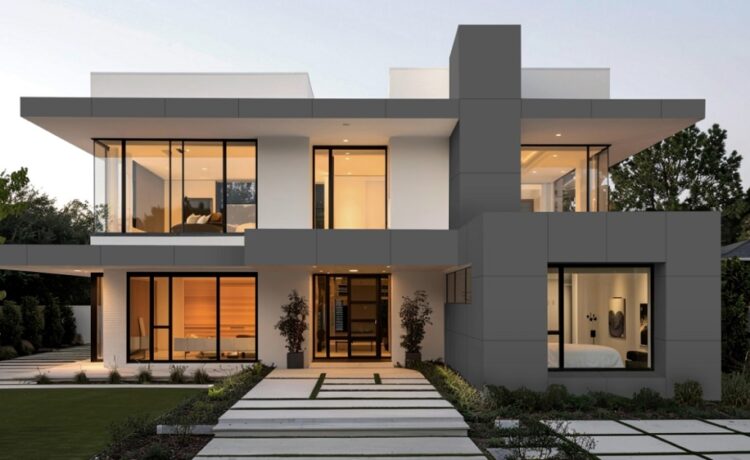
Selecting the right exterior materials for a home is one of the most critical decisions a homeowner, architect, or builder can make. The exterior envelope serves as the primary defense against harsh weather elements, including blistering sun, driving rain, freezing temperatures, and high winds. Beyond structural protection, exterior cladding, roofing, and trim define a home’s curb appeal and overall aesthetic value.
Choosing durable, low-maintenance materials ensures that a property retains its beauty over decades while minimizing recurring repair and replacement costs. Balancing upfront investment with long-term performance allows property owners to create structures that stand the test of time without requiring constant upkeep.
Key Factors in Selecting Exterior Building Materials
Before committing to specific materials, evaluating several core factors helps determine which products will perform best under specific environmental conditions.
-
Climate Resistance: Regional weather patterns heavily influence material longevity. Coastal areas demand materials resistant to salt spray and corrosion, while regions with extreme freeze-thaw cycles require moisture-impervious products to prevent cracking.
-
Maintenance Requirements: Some materials need routine sealing, painting, or staining, while others require only occasional pressure washing or rinsing with a hose.
-
Fire and Impact Resistance: Homes in wildfire-prone zones benefit from non-combustible cladding, whereas areas prone to severe hail require high impact-resistance ratings.
-
Thermal Performance and Insulation: Cladding materials that integrate thermal breaks or insulated backing contribute significantly to home energy efficiency and lower utility bills.
-
Architectural Compatibility: The chosen material should complement the home’s overall design aesthetic, whether traditional, modern, craftsman, or contemporary.
Premium Exterior Wall Cladding Options
Siding and wall cladding represent the largest visual component of a home’s exterior. Selecting a material that balances structural strength with aesthetic appeal is crucial.
Fiber Cement Siding
Fiber cement has established itself as one of the most versatile and durable cladding choices available today. Manufactured from a blend of Portland cement, sand, cellulose fibers, and water, this material mimics the natural texture of wood while eliminating wood’s traditional vulnerabilities.
Fiber cement is non-combustible, resistant to rot, immune to termite damage, and capable of withstanding hurricane-force winds. Pre-finished fiber cement features factory-applied coatings that resist fading and chipping for up to fifteen to twenty years. While installation requires specialized tools and skilled labor due to its weight, its long lifespan and minimal maintenance needs make it a exceptionally reliable choice.
Natural Brick Masonry
Brick remains a timeless classic in residential architecture, celebrated for its durability and classic charm. Made from clay baked at extreme temperatures, brick masonry creates a solid, fireproof exterior that can easily last well over a century.
Brick requires virtually no maintenance throughout its lifecycle, eliminating the need for painting or staining. It acts as an effective thermal mass, absorbing heat during the day and releasing it slowly at night, which helps regulate interior home temperatures. While the initial material and masonry labor costs are high, the complete absence of routine finishing costs makes brick extremely cost-effective over time.
Natural and Engineered Stone Veneer
Stone offers unmatched natural beauty, texture, and structural resilience. Traditional full-bed natural stone provides ultimate longevity, but its substantial weight requires thick concrete footings and extensive structural support.
Engineered stone veneer and thin natural stone veneer offer identical visual appeal with significantly lower weight and easier installation. Made from Portland cement, lightweight aggregates, and mineral pigments, manufactured stone replicates natural fieldstone, ledge stone, or limestone at a fraction of the cost. Proper installation with an effective moisture barrier behind the stone prevents trapped water issues, ensuring long-term performance.
Fiber-Reinforced Stucco
Traditional three-coat stucco has been used for centuries, particularly in warm, dry climates. Modern fiber-reinforced acrylic stucco systems improve upon traditional plaster by incorporating synthetic polymers and fibers that increase flexibility and crack resistance.
Applied over a wire lath with a moisture-resistant barrier, stucco creates a smooth, seamless exterior shield. It provides excellent fire resistance, sound dampening, and resistance to pest infestation. Stucco can be tinted in virtually any color, eliminating the need for surface painting. However, stucco performs best in drier climates, as excessive moisture exposure can lead to staining or moisture intrusion if seals fail.
Durable Roofing Materials for Long-Term Defense
Roofing materials endure the most direct exposure to UV radiation, rain, snow, and wind impact. Investing in top-tier roofing extends the overall lifespan of the entire building structure.
Standing Seam Metal Roofing
Standing seam metal roofs represent the gold standard for modern residential durability. Constructed from high-grade steel, aluminum, or copper, standing seam systems conceal fasteners beneath raised interlocking seams, eliminating potential leak points.
Metal roofs carry high wind resistance ratings, class A fire ratings, and high impact resistance against hail. Reflective factory coatings bounce solar radiation away from the home, reducing summer cooling costs significantly. With a functional lifespan ranging from forty to seventy years, metal roofing far outlasts standard asphalt shingles.
Slate and Clay Tiles
Slate and clay tiles offer unmatched longevity among roofing choices. Natural slate shingles can last well over one hundred years, often outlasting the structure beneath them. Clay tiles, common in Mediterranean and Spanish colonial architecture, provide exceptional resistance to intense heat, salt air, and fire.
Both materials require heavy-duty roof framing due to their extreme weight. However, their immunity to rot, insect attack, and severe weathering makes them a top choice for luxury custom homes intended to last for generations.
High-Performance Exterior Trim and Accents
Exterior trim around windows, doors, fascias, and soffits protects vulnerable joints from moisture intrusion while framing the architectural design.
Cellular PVC Trim
Cellular PVC has largely replaced natural wood for exterior trim in high-moisture environments. PVC trim can be cut, shaped, and routed using standard woodworking tools, yet it absorbs zero moisture. It will never rot, swell, cup, or split, making it ideal for ground-contact applications and coastal settings. PVC can be left white or painted with vinyl-safe paints.
Composite and Engineered Wood Trim
Engineered wood trim combines wood fibers with exterior-grade resins and zinc borate treatments to resist decay and insect attack. Factory-applied primers ensure excellent paint adhesion, providing the natural look of wood without the susceptibility to fungal rot or moisture damage.
Frequently Asked Questions
Which exterior material requires the lowest absolute maintenance over fifty years?
Natural clay brick and high-grade standing seam metal roofing require the lowest overall maintenance. Brick does not require painting, sealing, or chemical treatments, needing only occasional cleaning and repointing of mortar joints after several decades. Metal roofing simply requires periodic inspection of sealants and flashing.
How does fiber cement siding compare to traditional vinyl siding in terms of longevity?
Fiber cement siding outperforms standard vinyl siding in terms of durability, fire resistance, and impact resistance. Vinyl siding can warp under high heat, crack in freezing temperatures, and fade rapidly under intense sunlight. Fiber cement remains dimensionally stable in extreme thermal conditions and provides superior protection against impact damage.
Can composite trim be painted any color without damage?
Composite and cellular PVC trim can be painted, but using dark colors requires caution. Dark paint colors absorb excessive solar heat, which can cause synthetic trim materials to expand, warp, or distort. To paint synthetic trim in dark shades, use paints formulated specifically with heat-reflective pigments designed for vinyl and PVC substrates.
Are stone veneers completely waterproof?
Stone veneers themselves are moisture-resistant, but the installation assembly as a whole is not completely waterproof. Water can penetrate mortar joints over time. Therefore, incorporating a continuous drainage plane, air gap, and high-quality weather-resistant barrier behind the stone veneer is essential to allow trapped water to drain away safely.
Is metal roofing noisier than asphalt shingle roofing during heavy rain?
When installed over a standard solid roof deck with adequate attic insulation, standing seam metal roofing is no noisier than asphalt shingle roofing. The solid decking, underlayment, and ceiling insulation effectively dampen the sound of rainfall, creating a quiet indoor environment.
What is the average lifespan expectation for engineered wood siding?
Engineered wood siding typically lasts between thirty and fifty years when properly installed and maintained. Keeping the factory-sealed edges intact, maintaining paint coatings, and ensuring adequate clearance from soil lines maximize its service life.
How do salt air coastal environments affect metal roofing choice?
In coastal environments within a mile of saltwater, standard galvanized steel metal roofs can suffer from accelerated corrosion. Aluminum or copper standing seam roofing systems are strongly recommended for coastal applications because aluminum forms a protective oxide layer that resists salt spray degradation seamlessly.


